Do you want to lose weight but still feel hungry on your diet? Eating more protein could be the answer. Protein makes you feel full longer than carbs or fat. It can also keep your muscles and metabolism healthy, which helps you lose weight better. Do you know how much protein you need? The RDA is the bare minimum to avoid deficiency. For weight loss, studies suggest more protein can help. We made a calculator to help you know how much protein you need each day. It uses your weight, age, sex, activity level, and goals.
This article explains how protein can help you lose weight. It will provide tips to help you get the right amount of protein each day and guide you through using our calculator to achieve your weight loss goals. Let’s get started!
Daily Protein Intake Calculator for Weight Loss
require
require
You should take ...... of protein per day
Protein Intake Brief Guide
Why Protein is Important for Weight Loss?
Protein is necessary for the body to work properly. It helps with muscle building, repair, and maintenance. Protein is crucial for weight loss. It helps reduce appetite and makes you feel full. This leads to consuming fewer calories in total. Protein helps to burn more calories than carbs and fat because it has a higher thermic effect. Burning more calories can speed up your metabolism and help you lose weight.
When you eat food with lots of protein, it takes longer to digest. This makes you feel full for a longer time. As a result, you may consume fewer calories throughout the day, leading to weight loss. Protein also helps to preserve lean muscle mass while losing weight. Eating a lot of protein helps your body keep muscles healthy when you lose weight. This is important for a healthy metabolism and to prevent muscle loss.
How Much Protein Do You Need for Weight Loss?
Protein is important for losing weight. The amount you need depends on things like your weight, how active you are, and your weight loss goals. Protein intake is recommended at 0.36 grams per pound of body weight. More protein may help with weight loss. It is recommended to eat 0.7 to 1 gram of protein for every pound of body weight each day, especially if you exercise or want to keep muscle while losing weight. Eating this much protein can make you feel full, burn calories, and keep your muscles strong. These things can help you lose weight.
It’s essential to have a balanced protein intake in every meal and snack throughout the day. Eating foods high in protein like lean meats, fish, eggs, and nuts is a good way to get the protein you need each day. Dairy products, legumes, and seeds are also good sources of protein. It’s important to note that while protein is a vital nutrient for weight loss, it’s not the only factor. Eating a mix of healthy foods is important for your health and to lose weight. Fiber, healthy fats, and carbohydrates are some important nutrients to include. It’s important to eat many nutritious foods to get all the nutrients you need.
Using the Daily Protein Intake Calculator
A protein intake calculator can help you know the amount of protein you need to lose weight every day. These online tools use your age, gender, height, weight, and activity level to give you a better idea of how much protein you need each day. You can input your age, gender, height, weight, and activity level in the protein intake calculator. After you enter your information, the calculator will suggest how much protein to eat every day based on what you need.
The protein intake recommended by the calculator is a guide only and is not meant for everyone. Your weight loss goals and how active you are will affect your unique needs. Using a protein calculator can help you start and choose what to eat. It can also give you more information about your diet. It’s important to remember that weight loss isn’t all about protein. Use a protein intake calculator, but don’t forget about other nutrients too. Eating a mix of healthy foods is vital for good health and losing weight. To do this, eat fruits, veggies, whole grains, healthy fats, and protein sources.
Step-by-Step Guide to Calculating Your Daily Protein Needs
You can determine how much protein you need for weight loss by following a few easy steps. Here is a guide to help you figure out how much protein you need to lose weight step-by-step.
1: Determine your weight in pounds
The first step is to determine your weight in pounds. This number will be used to calculate your daily protein needs.
2: Multiply your weight in pounds by 0.7-1.0
Next, multiply your weight in pounds by 0.7-1.0. This will give you the recommended range of daily protein intake in grams. For example, if you weigh 150 pounds, your daily protein needs would be between 105 grams to 150 grams.
3: Adjust for your activity level
Being active requires more protein to build and fix muscles. If you’re doing intense exercises, try to eat 1-1.2 grams of protein per pound of body weight. If you exercise a lot and weigh 150 pounds, you need to eat 150-180 grams of protein every day. This is important for your body to function well.
4: Spread your protein intake throughout the day
Spreading out your protein intake throughout the day is important. Eat some protein in each meal and snack to keep a healthy balance. This can help you feel full, burn more calories, and maintain muscle.
5: Consider other factors
It’s important to remember that protein is not the only nutrient you need for weight loss. Eating a mix of healthy foods is vital for good health and losing weight. Include fruits, veggies, grains, healthy fats, and proteins in your diet. Other factors to consider include your age, gender, and health status.
The Best Sources of Protein for Weight Loss
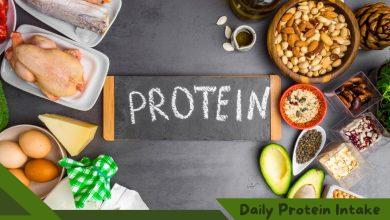
Eating protein-rich foods is key to losing weight. Many foods have lots of protein to choose from. Here are some of the best sources of protein for weight loss:
- Lean meats: Lean cuts of beef, pork, chicken, and turkey are all excellent sources of protein. Choose lean cuts to keep saturated fat intake to a minimum.
- Seafood: Seafood such as salmon, tuna, shrimp, and crab are not only high in protein but also rich in omega-3 fatty acids, which have been linked to weight loss and improved heart health.
- Eggs: Eggs are a great source of protein, and studies have shown that eating eggs for breakfast can help promote satiety and reduce overall calorie intake throughout the day.
- Dairy products: Dairy products such as milk, cheese, and yogurt are excellent sources of protein, calcium, and other essential nutrients. Choose low-fat or non-fat options to keep saturated fat intake in check.
- Legumes: Legumes such as lentils, beans, and chickpeas are not only high in protein but also rich in fiber, which can help promote satiety and support weight loss.
- Nuts and seeds: Nuts and seeds such as almonds, walnuts, chia seeds, and hemp seeds are not only high in protein but also rich in healthy fats and other essential nutrients.
- Protein supplements: Protein supplements such as whey protein powder, soy protein powder, and pea protein powder can be an easy and convenient way to increase protein intake.
It’s crucial to include different sources of protein in your diet. Doing so ensures that your body receives all the necessary amino acids it requires. Also, keep in mind that protein should not be the only nutrient you focus on for weight loss. Eating a mix of healthy foods is important for both staying healthy and losing weight.
How to Incorporate More Protein into Your Diet
If you want to have more protein in your diet, you can do it in simple and tasty ways. Here are some tips on how to increase your protein intake:
- Start your day with a protein-packed breakfast: Eating a high-protein breakfast can help you stay full and satisfied throughout the morning. Consider options like eggs, Greek yogurt, or a protein smoothie.
- Swap out carbs for protein: Instead of loading up on carbs like pasta or rice, opt for protein-rich alternatives like quinoa, lentils, or chickpea pasta.
- Snack on protein-rich foods: Snacking on protein-rich foods like nuts, seeds, or jerky can help keep you full between meals.
- Add protein to your salads: Add protein to your salads by including grilled chicken or salmon, boiled eggs, or legumes like chickpeas or black beans.
- Make protein a part of your post-workout meal: Eating protein after a workout can help repair and build muscle. Consider options like grilled chicken, fish, or a protein shake.
- Experiment with protein-rich recipes: Look for recipes that incorporate high-protein ingredients like tofu, tempeh, or protein powder.
- Try protein bars and shakes: Protein bars and shakes can be a convenient way to increase your protein intake on the go.
It’s important to eat a balanced diet with many healthy foods that have nutrients. Protein alone is not enough. If you have dietary limitations or worries, talk to a registered dietitian or healthcare provider. They can help you make sure you’re getting the proper nutrition.
Potential Risks and Considerations
Protein is needed by the body, but too much can be risky. There are important things to consider. Here are some factors to keep in mind:
- Kidney function: Consuming excessive amounts of protein can put a strain on the kidneys, particularly in individuals with pre-existing kidney disease. It’s important to speak with a healthcare provider or registered dietitian to determine an appropriate protein intake level based on individual needs and health status.
- Digestive issues: Consuming large amounts of protein can lead to digestive issues such as constipation or diarrhea. It’s important to also consume adequate fiber and hydrate properly to avoid digestive problems.
- High-calorie intake: Some high-protein foods like fatty meats and cheeses are also high in calories and saturated fats, which can lead to weight gain and other health issues if consumed in excess.
- Nutrient deficiencies: If high-protein foods replace other important nutrient-dense foods in the diet, it can lead to nutrient deficiencies in other areas.
- Personal preferences and food intolerances: Some individuals may have personal preferences or food intolerances that make it difficult to consume high amounts of protein, so it’s important to find alternative sources that work for them.
You need a balanced diet with many healthy foods, not just protein. Talk to a healthcare provider or dietitian to know how much protein you need based on your health and needs. To add protein to your diet without harm, consider these factors. They can help you boost your health and lose weight.
Conclusion:
Eating more protein can help you lose weight. Protein is important. It keeps you full, boosts metabolism, and helps maintain muscles. You can meet your protein goals by using protein intake calculators and eating more foods high in protein. It’s important to remember the potential risks and things to consider, like kidney function, digestion problems, too many calories, not enough nutrients, what you like to eat, and intolerances. You can safely and effectively use protein to support your weight loss journey. Just talk to a doctor or dietitian, and eat plenty of nutritious foods.